
Subscribe
Follow TNM’s WhatsApp channel for news updates and story links.
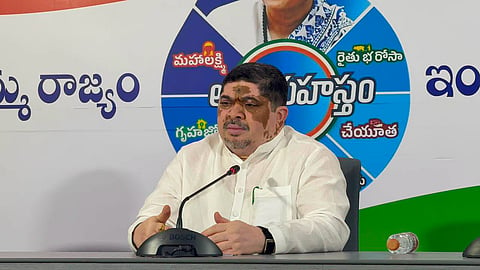
The Select Committee of the Telangana Assembly that is examining the proposed hate speech bill held its first meeting on Saturday, August 1, headed by its chairperson, BC Welfare Minister Ponnam Prabhakar.
The Telangana Hate Speech and Hate Crimes (Prevention) Bill 2026, which was introduced in the Assembly in March, was referred to a Select Committee following objections from the Bharatiya Janata Party (BJP), All India Majlis-e-Ittehadul Muslimeen (AIMIM), and the Communist Party of India (CPI).
Addressing the media after the Committee’s first meeting, Ponnam Prabhakar said the members agreed that hateful speech targeting someone’s religion, caste, gender, region etc. must be mitigated, and in the future, there must be a belief in society that such speeches are wrong.
The bill also has provisions for the accused to show that there was no intent to incite hate, he added.
The preliminary meeting on August 1 will be followed by a more detailed one, Prabhakar said. Opinions will be invited from civil society organisations and others as well before preparing the final report, he said. He said that it was decided to seek the views of MLCs and MLAs as well.
The meeting was reportedly attended by Assembly Speaker Gaddam Prasad Kumar and committee members Danam Nagender, Gavinolla Madhusudan Reddy, Mamidala Yashaswini Reddy, Kavvampally Satyanarayana, Kova Laxmi, Kunamneni Sambasiva Rao, and Koninty Manik Rao.
The draft bill aims to ‘comprehensively prevent, regulate, and penalise acts that promote enmity and disharmony among individuals and groups.’ The bill makes hate crimes cognisable and non-bailable offences that can be tried by a Judicial Magistrate First Class.
The bill defined hate speech to include “spoken or written words, signs, visible representations, and electronic communications intended to cause injury, disharmony, or hatred” against individuals, class, or group of people or community “to meet any prejudicial interest”. The bill defines prejudicial interests as religion, race, caste, sex, gender, sexual orientation, place of birth, language, disability, and tribe.
While being very similar to Karnataka’s anti-hate speech legislation brought in by the Congress government there, the Telangana draft law limits preventive action, such as maintaining peace and public order, to cases involving known “repeat offenders” who are likely to commit or threaten to commit an offence.
